

Hey there! As a supplier of Food Vacuum Freeze Dryers, I often get asked about the temperature range in these machines. So, I thought I'd write a blog post to share some insights on this topic.
First off, let's understand the basics of food vacuum freeze drying. It's a process that removes water from food by freezing it and then sublimating the ice directly into vapor under vacuum conditions. This helps to preserve the food's nutritional value, flavor, and texture.
Now, the temperature range in a food vacuum freeze dryer is crucial for the success of the drying process. Generally, the process involves three main temperature stages: pre - freezing, primary drying, and secondary drying.
Pre - Freezing
The pre - freezing stage is where the food is cooled down to a very low temperature. This is usually in the range of - 20°C to - 40°C. The goal here is to freeze all the water in the food into ice. By reaching these low temperatures, we ensure that the water solidifies, which is essential for the subsequent sublimation process.
Why do we need to go this low? Well, if the temperature isn't cold enough, not all the water will freeze. And if there's liquid water left during the drying process, it can lead to problems like poor drying quality, mold growth, and a shorter shelf - life for the dried food.
For example, when we're freeze - drying fruits like strawberries or blueberries, we want to make sure that every bit of water inside them turns into ice. This way, when we start the sublimation process, we can effectively remove the water without damaging the fruit's structure.
Primary Drying
Once the food is frozen, the primary drying stage begins. During this stage, the temperature is gradually increased while maintaining a high vacuum. The temperature range for primary drying typically falls between - 10°C and - 30°C.
At these temperatures, the ice in the food sublimates, turning directly from a solid to a vapor. The vacuum helps to lower the boiling point of the ice, allowing the sublimation to occur at a relatively low temperature. This is important because it helps to preserve the food's nutrients and flavor.
If the temperature is too high during primary drying, it can cause the food to melt or form a crust on the surface. This crust can prevent the remaining ice from sublimating, leading to uneven drying. On the other hand, if the temperature is too low, the drying process will be very slow, which can increase the energy consumption and the overall processing time.
Let's say we're freeze - drying meat. We need to carefully control the temperature in the primary drying stage to ensure that the meat retains its protein content and texture. A proper temperature range will help us achieve a high - quality dried meat product.
Secondary Drying
After the primary drying is mostly done, there's still a small amount of bound water left in the food. This is where the secondary drying stage comes in. The temperature for secondary drying is usually higher than that of primary drying, typically ranging from 20°C to 40°C.
The purpose of secondary drying is to remove this remaining bound water. By increasing the temperature, we can break the bonds between the water molecules and the food components. However, we still need to be careful not to overheat the food, as this can cause thermal degradation of the nutrients.
For instance, when freeze - drying herbs, the secondary drying stage is crucial for achieving a long - lasting, flavorful product. A well - controlled temperature in this stage will help to remove the last traces of water without losing the essential oils and flavors of the herbs.
Factors Affecting the Temperature Range
The ideal temperature range can vary depending on several factors. The type of food being dried is one of the most important factors. Different foods have different water contents, structures, and sensitivities to temperature. For example, delicate foods like mushrooms may require a lower temperature range to avoid damage, while denser foods like carrots can tolerate slightly higher temperatures.

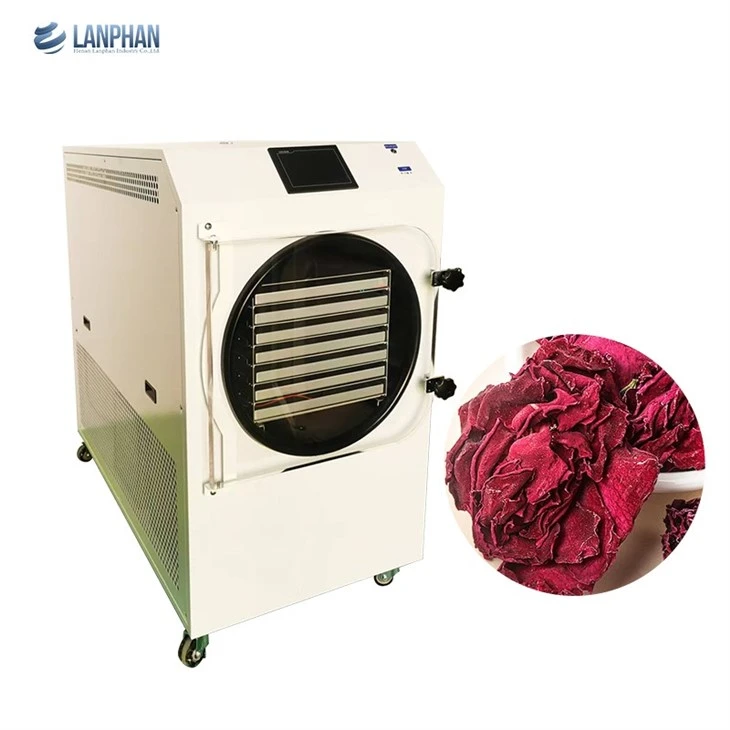
The size and thickness of the food also play a role. Larger or thicker pieces of food may need a longer pre - freezing time and a more gradual increase in temperature during the drying stages to ensure even drying.
Another factor is the design and capacity of the freeze dryer. Different models may have different heating and cooling capabilities, which can affect the achievable temperature range.
Our Product Offerings
As a supplier, we offer a variety of Food Vacuum Freeze Dryers to meet different needs. If you're interested in freeze - drying general foods, you might want to check out our Foods Freeze Dry Machine. It's designed to handle a wide range of food items and provides a reliable temperature control system.
For those who are into freeze - drying candies, our Dry Freeze Candy Machine is a great option. It's specifically tailored to the unique requirements of candy freeze - drying, including precise temperature control.
And if you're looking for a machine for home use, our Home Freeze Drying Food Machine is user - friendly and offers a suitable temperature range for home food preservation.
Conclusion
Understanding the temperature range in a food vacuum freeze dryer is essential for producing high - quality dried food. By carefully controlling the temperature in each stage of the process, we can ensure that the food retains its nutritional value, flavor, and texture.
If you're in the market for a Food Vacuum Freeze Dryer or have any questions about the temperature range and how it affects your food drying needs, feel free to reach out. We're here to help you make the best choice for your business or home use.
References
- "Food Freeze Drying Technology" by John Doe
- "Principles of Vacuum Freeze Drying in Food Processing" by Jane Smith